

Common Mistakes Beginners Make While Starting a Small Business
Starting a small business is exciting. The idea of being your own boss, turning your skills into income, and building something meaningful is deeply motivating. But here’s the hard truth: most small businesses don’t fail because the idea is bad, they fail because of avoidable mistakes.
In my experience working with first-time entrepreneurs, the common small business mistakes repeat themselves again and again. They’re rarely dramatic. Instead, they’re small decisions made with good intentions but without enough clarity or preparation.
This guide breaks down those mistakes in a practical, honest way. No generic advice. No motivational fluff. Just real insights you can actually use.
Why Beginners Are More Vulnerable to Small Business Mistakes
When you’re new, you’re doing many things for the first time pricing, marketing, accounting, customer handling, and decision-making. That’s a lot of responsibility all at once.
Beginners often:
- Overestimate early demand
- Underestimate costs and time
- Mix personal emotions with business decisions
Understanding these patterns early can save you months (or years) of struggle.
Mistake #1: Starting Without Proper Market Research
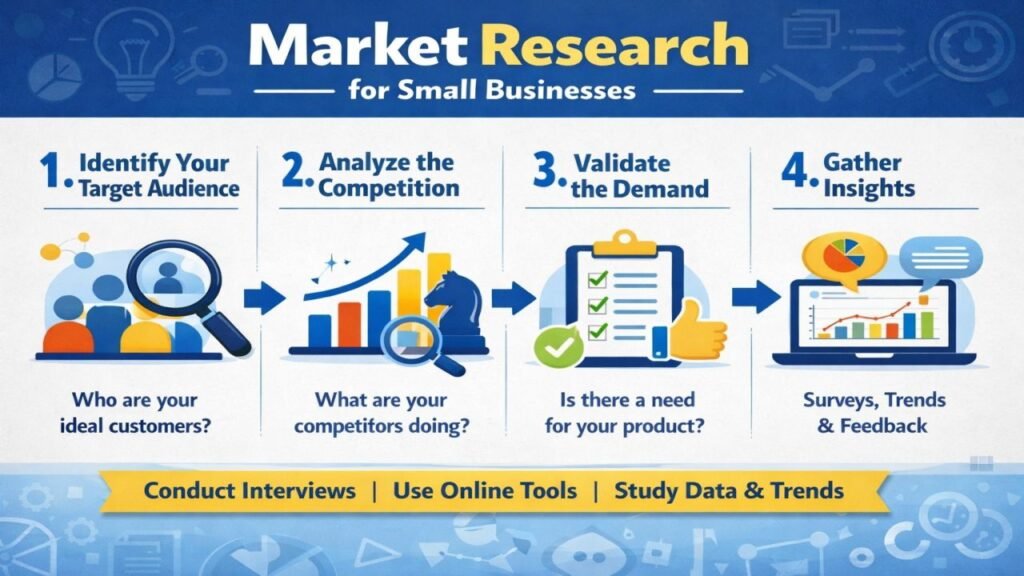
One of the most common small business mistakes is assuming that “if I like this idea, others will too.”
What Usually Goes Wrong
- No clear target customer
- No validation of demand
- No understanding of competitors
Many beginners spend months perfecting a product, only to realize later that customers don’t actually want it or won’t pay for it.
What to Do Instead
Before you invest heavily:
- Talk to real potential customers
- Study competitors’ pricing, reviews, and gaps
- Use tools like Google Trends and Ubersuggest to validate demand
👉 A helpful framework from Harvard Business Review explains why early customer feedback matters more than perfect execution.
Mistake #2: Underestimating Startup and Operating Costs
Another classic beginner error is thinking:
“I’ll manage expenses as they come.”
That approach works until it doesn’t.
Hidden Costs Beginners Miss
- Licenses & compliance fees
- Marketing and advertising
- Software subscriptions
- Maintenance and replacements
- Emergency cash buffer
Reality Check Table
| Expense Type | Often Ignored? | Impact if Missed |
| Marketing budget | Yes | No sales |
| Legal & compliance | Yes | Fines, shutdown |
| Cash reserve | Yes | Business collapse |
| Tools & software | Yes | Inefficiency |
According to Small Business Administration (SBA), lack of cash flow planning is one of the top reasons businesses fail.
Mistake #3: Poor Pricing Strategy
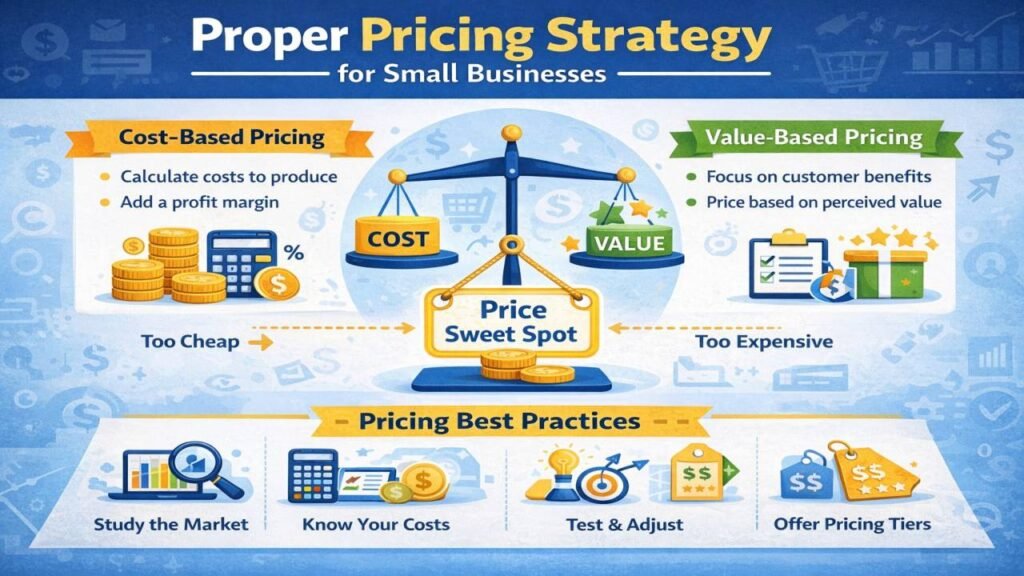
Many beginners price their products too low because they’re afraid customers won’t buy.
Why This Is Dangerous
- Low prices attract price-sensitive customers
- Thin margins leave no room for mistakes
- You burn out working more for less
Better Pricing Approach
- Calculate true cost (including your time)
- Study competitor pricing
- Price based on value, not fear
Mistake #4: Trying to Do Everything Alone
In the early days, wearing multiple hats is normal. But trying to do everything yourself for too long is a silent business killer.
Signs You’re Doing Too Much
- Constant exhaustion
- No time for strategy
- Delayed customer responses
- Burnout within months
Smart Alternative
- Outsource low-impact tasks
- Use automation tools
- Focus on revenue-driving activities
If you’re building online, even basic tools like email automation or bookkeeping software can save hours every week.
Mistake #5: Ignoring Marketing Until It’s “Perfect”
This is one of the most costly common small business mistakes.
Many beginners think:
“I’ll start marketing once everything is perfect.”
But perfection delays visibility.
What Happens
- No early feedback
- Slow customer acquisition
- Missed learning opportunities
Better Mindset
Marketing is not a final step, it’s part of the process.
Start with:
- Simple social media presence
- Basic website or landing page
- Word-of-mouth referrals
- Content marketing (blogs, videos)
If you’re blogging, internal linking to guides like “How to Get Your First 100 Customers” (internal content idea) can significantly reduce bounce rates.
Mistake #6: Mixing Personal and Business Finances
This mistake feels harmless at first but creates serious problems later.
Why It’s Risky
- No clear profit calculation
- Tax filing becomes messy
- Difficult to scale or get funding
Fix It Early
- Separate bank account
- Track every expense
- Pay yourself a fixed amount
According to IRS small business guidelines, financial separation is a basic compliance best practice.
Mistake #7: Chasing Every Opportunity
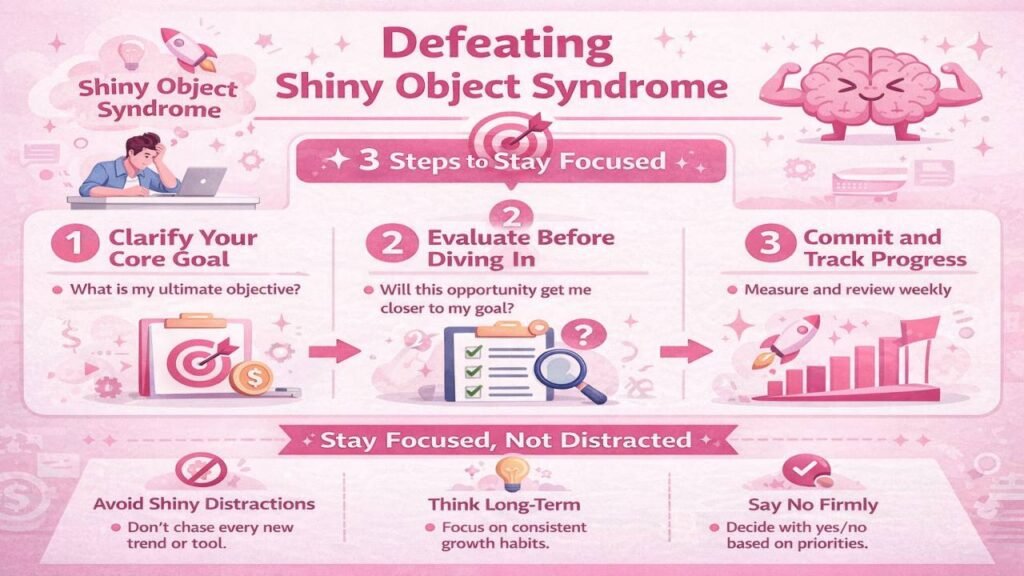
New entrepreneurs are especially vulnerable to shiny object syndrome.
Common Examples
- Constantly changing business models
- Jumping to new platforms every month
- Adding products without demand
Why Focus Wins
Growth comes from depth, not constant change.
Ask before saying yes:
- Does this align with my core goal?
- Will this increase revenue in 90 days?
- Am I avoiding something harder?
Mistake #8: Ignoring Data and Relying Only on Gut Feeling
Intuition matters—but data protects you.
Metrics Beginners Should Track
- Customer acquisition cost
- Monthly expenses
- Conversion rates
- Profit margins
Even simple spreadsheets can reveal patterns that emotions hide.
Resources like Google Analytics and free accounting tools can provide clarity without complexity.
Key Takeaways: Mistakes vs Smarter Choices
| Common Small Business Mistakes | Smarter Alternative |
| No market research | Validate before building |
| Guessing costs | Plan + buffer |
| Low pricing | Value-based pricing |
| Doing everything alone | Delegate early |
| Delayed marketing | Start imperfect |
| Mixed finances | Separate accounts |
| No data tracking | Measure weekly |
Final Thoughts: Mistakes Don’t Fail Businesses, Ignoring Them Does
Every successful entrepreneur has made mistakes. The difference is whether they learned early or paid dearly later.
Avoiding these common small business mistakes won’t guarantee success but it will dramatically improve your odds. Progress beats perfection. Awareness beats regret.
👉 Which mistake do you relate to the most?
Share your experience in the comments — it might help another beginner avoid the same trap.
📩 Want practical business guides like this?
Subscribe to our newsletter for weekly insights on starting and growing a small business the smart way

